Amazon FBA vs. FBM: How to Choose Fulfillment
Compare FBA and Fulfilled by Merchant using product handling, shipping control, time, returns, costs, and a worked hypothetical example.
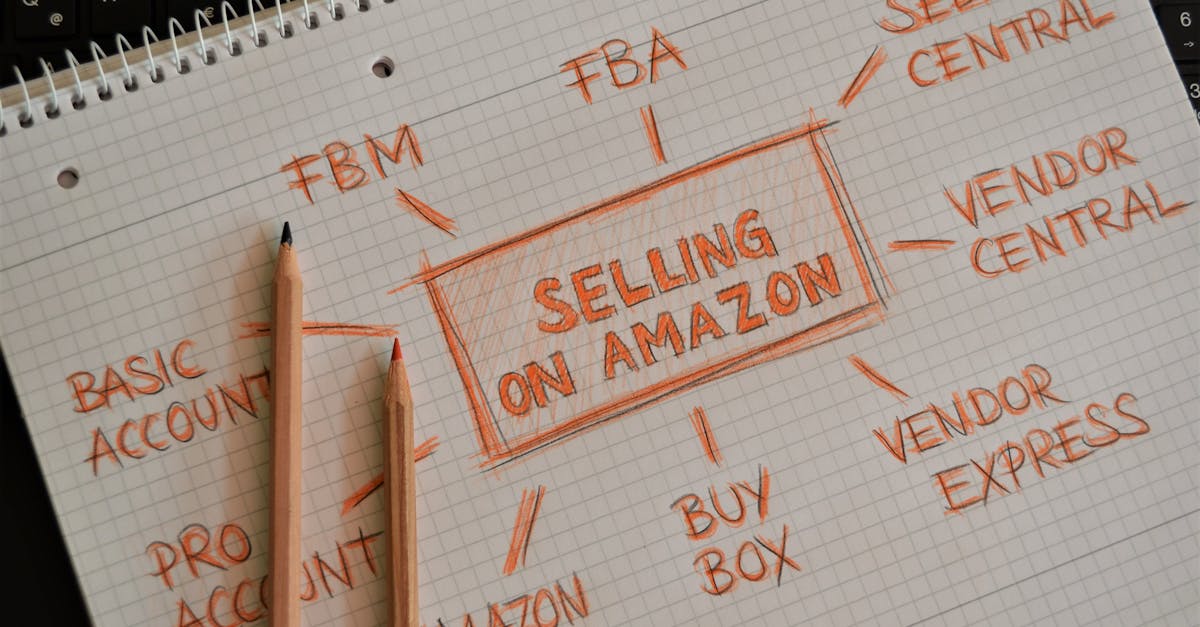
Amazon FBA and FBM describe how an Amazon order gets fulfilled, not two completely different marketplaces. FBA sends eligible inventory into Amazon’s fulfillment network. With Fulfilled by Merchant (FBM), the seller manages inventory and shipment using their own arrangements. Both options still require a sellable product, a valid listing, dependable operations, and a way to earn customers.
The best option depends on what you are selling and what you can reliably operate. This guide helps you compare fulfillment for one actual product, rather than treating “hands off” or “more control” as automatic wins.
Separate who owns the inventory from who ships the order
Under FBA, the seller owns or is responsible for the inventory business while Amazon stores eligible units and handles important fulfillment tasks. Under FBM, the seller keeps responsibility for arranging and executing shipment, tracking, and customer service obligations. Neither approach makes product compliance or cash management disappear.
Amazon’s FBA-versus-FBM comparison explains that sellers can choose different fulfillment approaches for eligible products and may use both within one catalog. Choosing a method is not a permanent identity for the whole business.
- FBA: Amazon performs storage and order handling for eligible FBA inventory, with fulfillment and inventory-related fees.
- FBM: the merchant controls the stock and shipping arrangements and absorbs their actual packing, postage, labor, storage, and service costs.
- In both: the seller remains responsible for legitimate sourcing, accurate descriptions, applicable account obligations, pricing, and performance.
Compare operational fit before comparing price
Inventory access and control
FBM can be attractive when a seller needs to inspect, customize, bundle, or control packaging for each order. It also makes sense to examine when inventory is very slow moving or difficult to store inside a fulfillment program. But keeping stock yourself means you must protect it, count it, and respond when something goes missing or is damaged.
FBA can reduce daily packing and shipping workload, but you commit inventory to an outside fulfillment process. Preparation, inbound movement, and reconciliation still take effort. A seller who cannot tolerate slow inventory, inaccessible stock, or unforeseen storage costs should build those risks into the decision.
Time and delivery promises
FBM is not “free labor.” Even if you pack a box at home, the work has a time cost. Define how often you can ship, what happens during illness or travel, whether a carrier pickup is dependable, and what delivery promise you can honestly make. If you cannot fulfill on busy weekdays, that operational limit matters more than a small spreadsheet advantage.
FBA handles many daily fulfillment tasks but still requires you to forecast and replenish stock. Amazon shipping benefits, including possible Prime eligibility, may help particular offers; they do not guarantee that shoppers will choose your product.
Returns, customer experience, and exceptions
Under FBM you coordinate the operational work associated with order inquiries and returns. FBA handles certain customer-service and return processes through Amazon, but the financial consequences of returns still matter to the seller. With either model, the customer sees your listing and expects the product to match it.
Compare costs on the same product and assumptions
Use one product, one retail price, the same expected sales period, and comparable service standards. Include your own hours when estimating FBM, and include inventory movement and storage when estimating FBA. Calculate each method under both a normal and an unfavorable month.
Amazon’s Revenue Calculator supports comparisons between Amazon fulfillment and seller fulfillment. Use its estimates as inputs, then add your actual purchase cost, packaging, labor, advertising, and other costs it does not automatically know.
A hypothetical $35 sale
Suppose the item sells for $35 and both methods have the same $9 landed product cost, $5.25 hypothetical referral fee, $1.50 advertising allocation, and $0.95 return allowance. Those shared inputs total $16.70. They are examples, not current Amazon fees or expected performance.
- FBA case: add $5.60 hypothetical fulfillment, $0.60 inbound allocation, and $0.35 storage. Estimated contribution = $35.00 − $16.70 − $5.60 − $0.60 − $0.35 = $11.75.
- FBM case: add $0.95 packaging, $5.75 postage, and $2.50 allocated packing labor. Estimated contribution = $35.00 − $16.70 − $0.95 − $5.75 − $2.50 = $9.10.
- Both estimates exclude plan fees, shared overhead, income tax, and additional exceptions. The case does not establish that FBA is generally cheaper.
Change one input and the outcome may reverse. A heavy item could make an FBA estimate less attractive. A negotiated shipping rate or efficient warehouse process may change FBM costs. A seller who has to drive a package to a carrier daily could have higher labor expense than the example. The comparison only means something when the inputs describe your actual conditions.
Three product situations, three different decisions
A small, steady-selling item
If the item is eligible, lightweight, and sells steadily, FBA may be worth evaluating because the seller can avoid daily packing and shipping. The seller still needs reliable stock replenishment, quality control, and an estimate of storage and inbound expenses. If the contribution after fees is weak, steady sales do not make the method profitable.
A slow-moving, oversized, or fragile product
For a product that sells irregularly or requires careful handling, compare the cost of holding the inventory against the work of fulfilling occasional orders yourself. FBM might offer more direct control, but the actual shipping bill, packaging protection, damage risk, and storage space still count. Do not assume large products are always cheaper with FBM; request realistic estimates for both methods.
A customized or time-sensitive order
A product that needs a personal insert, custom assembly, or final inspection may fit a merchant-controlled operation better. The deciding question is whether the work can be done reliably within the delivery promise. If customization makes the offered date impossible, neither a low carrier price nor a high margin justifies promising it.
These situations are filters, not rules. The same seller may change methods when demand, geography, staff capacity, or fees change. Keep the comparison tied to the actual SKU and current operating situation.
Ask which kind of risk you can manage
- Operational capacity: Can orders be packed and shipped on schedule without disrupting other obligations?
- Storage: Do you have secure space, and is the inventory likely to turn before storage becomes expensive?
- Returns: Who handles a customer problem, and what happens to the item and its value?
- Cash: When do you pay for stock, shipping, fulfillment, software, and replacement orders?
- Control: Do the product or buyer experience require an in-house touch?
- Eligibility: Are the product and planned processes permitted under the current marketplace requirements?
Be careful with mixed catalogs. Choosing FBM for one product and FBA for another can be sensible, but it means you need a clear stock record for each fulfillment method. Do not promise that a unit is ready for shipment if it is counted in the wrong pool.
Use a small decision test
- Pick a single candidate SKU with verified eligibility and a clear order definition.
- Estimate FBA fees and inbound or storage scenarios using current Amazon data.
- Request or calculate realistic FBM packaging, shipping, storage, and labor costs for the same service outcome.
- Stress-test slower sales, returns, an address exception, and a week when your normal shipping capacity is unavailable.
- Document which method is more manageable at the expected starting volume, and what new information could change that conclusion.
If the underlying product economics are still uncertain, start with our FBA overview and the broader startup-cost framework. Neither fulfillment method rescues an offer that loses money on each completed sale.
Choose the method that fits the operation you can actually run
FBA may be preferable when outsourcing fulfillment is worth the fee and the inventory is suitable. FBM may be preferable when the seller can meet service standards efficiently and needs direct control. Either may be wrong when the product is restricted, margins are weak, or fulfillment promises cannot be met.
Write down the chosen method, the assumptions supporting it, and one trigger for reconsideration, such as a change in volume, carrier rates, storage duration, or return pattern. A measured decision is more useful than treating FBA and FBM like rival team jerseys.
Discover how AscendorHQ helps you choose, learn, and build an online business.
Explore AscendorHQ